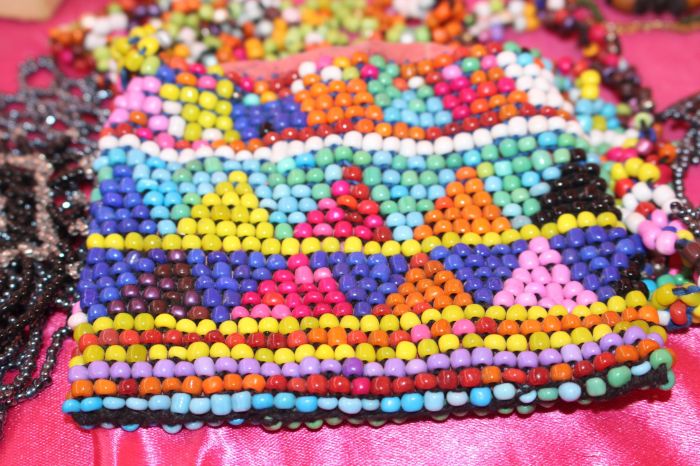
Beadwork patterns and symbolism offer a captivating glimpse into diverse cultures and their rich histories. From the intricate designs of Native American tribes to the vibrant creations of African artisans, beadwork transcends mere decoration; it becomes a powerful medium for storytelling, conveying complex narratives through color, shape, and technique. This exploration delves into the cross-cultural significance of beadwork, examining the symbolic meanings embedded within patterns and the techniques employed to create them.
We will uncover how seemingly simple beads can carry profound cultural weight and artistic expression.
The following sections will analyze the symbolism inherent in color and shape, comparing and contrasting beadwork techniques and their influence on the final symbolic representation across various cultures. We will examine specific examples, highlighting the historical and contemporary significance of this ancient art form. The exploration will conclude with a newly designed beadwork pattern inspired by a specific cultural motif, further emphasizing the enduring power of beadwork as a means of artistic expression and cultural preservation.
Beadwork Patterns Across Cultures: Beadwork Patterns And Symbolism
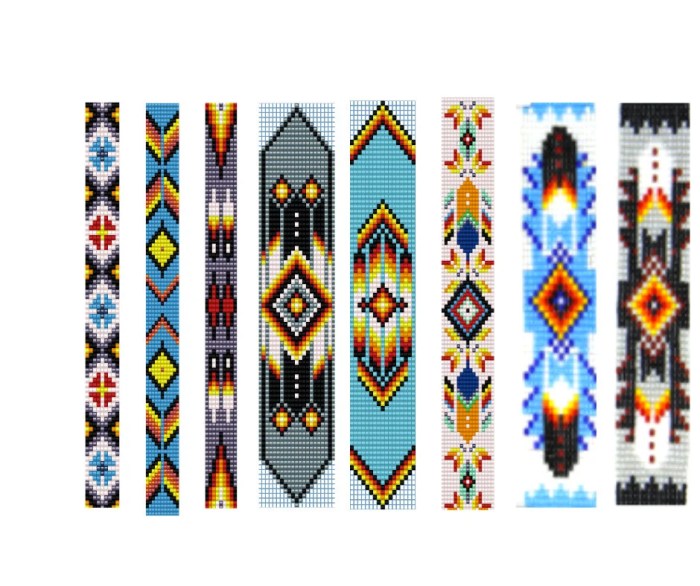
Beadwork, a timeless art form, transcends geographical boundaries, reflecting diverse cultural narratives through intricate patterns and symbolic meanings. The techniques, materials, and resulting aesthetics vary significantly across different cultures, each offering a unique window into their history, beliefs, and social structures. This exploration will delve into the captivating world of beadwork patterns from three distinct cultures, highlighting their individual characteristics and shared artistic expressions.
Beadwork Patterns: A Cross-Cultural Comparison
The following table compares and contrasts beadwork patterns from three distinct cultures: the indigenous peoples of North America, the Maasai of East Africa, and the indigenous peoples of the Andes. Each culture utilizes unique techniques, materials, and symbolic languages within their beadwork.
| Culture | Pattern Characteristics | Materials Used | Symbolic Meaning |
|---|---|---|---|
| Indigenous Peoples of North America (various tribes) | Geometric designs, often incorporating floral motifs, animal representations (e.g., eagles, bears, wolves), and abstract patterns. Techniques include loom beadwork, seed bead embroidery, and peyote stitch. | Glass beads (various colors and sizes), porcupine quills, shells, and sometimes animal teeth or bone. | Patterns often convey clan affiliation, spiritual beliefs, storytelling, and personal narratives. Specific colors and animals hold significant cultural meaning. For example, an eagle feather might symbolize strength and freedom. |
| Maasai of East Africa | Bold, vibrant geometric patterns using repetitive motifs. Often feature stripes, triangles, and zigzags. Necklaces and bracelets are common forms. | Glass beads (primarily red, blue, and black), often combined with leather, metal, and sometimes bone. | Colors and patterns signify age, marital status, social standing, and wealth. Red, for example, is often associated with bravery and strength. Specific bead arrangements can indicate clan membership or ceremonial roles. |
| Indigenous Peoples of the Andes (various groups) | Intricate designs incorporating geometric shapes, stylized animals (e.g., llamas, condors), and representations of natural elements (e.g., mountains, rivers). Techniques include weaving, embroidery, and sometimes knotting. | Glass beads (various colors), wool, alpaca or llama fiber, and sometimes metal accents. | Patterns reflect Andean cosmology, spiritual beliefs, and ancestral traditions. Colors and animals often hold specific symbolic meanings related to deities, nature, and social hierarchy. For example, the condor might represent power and altitude. |
Historical Significance of Plains Indian Beadwork
Plains Indian beadwork, particularly from the 19th and early 20th centuries, holds immense historical significance. The intricate designs and meticulous craftsmanship not only served as adornment but also acted as visual records of historical events, social structures, and spiritual beliefs. The transition from quillwork to beadwork, spurred by the introduction of European glass beads, marked a significant shift in artistic expression.
Specific patterns and colors became associated with different tribes and clans, allowing for immediate identification and a visual demonstration of tribal affiliation. Furthermore, beadwork served as a valuable form of trade and exchange, reflecting economic relationships and intertribal interactions. The historical context of Plains Indian beadwork reveals a complex interplay of artistic innovation, cultural identity, and historical circumstances.
A New Beadwork Pattern: The Andean Condor, Beadwork patterns and symbolism
Inspired by the Andean condor, a symbol of power and altitude in Andean culture, this new beadwork pattern incorporates stylized wings and a majestic head. The design would utilize a combination of dark brown, black, and gold beads to represent the condor’s plumage. The wings would be rendered using a repeating geometric pattern, reflecting the Andean preference for structured designs.
The head would be crafted in more detail, emphasizing the bird’s sharp beak and keen eyes, potentially using smaller beads for greater precision. The symbolic meaning of this pattern would center on aspiration, strength, and the connection to Andean cosmology. The pattern’s use of geometric forms would also nod to the broader Andean tradition of integrating geometric elements into their artistic expression.
The gold beads would represent the sun, a central element in Andean mythology.
Symbolism in Beadwork
The vibrant world of beadwork extends far beyond its aesthetic appeal; it serves as a powerful medium for cultural expression and storytelling. Embedded within the intricate patterns and careful color choices are layers of symbolism, reflecting beliefs, traditions, and histories passed down through generations. Understanding this symbolism offers a deeper appreciation for the artistry and cultural significance of beadwork across the globe.
Color Symbolism in Beadwork
Color holds profound meaning in many cultures, and this is especially evident in beadwork. The selection of specific colors is rarely arbitrary; instead, it often conveys complex messages related to spirituality, social status, or even historical events.
- Red: Frequently associated with life, energy, passion, and sometimes even blood or sacrifice. In many Native American cultures, red beads represent strength and power. In some African traditions, red signifies fertility and prosperity.
- Blue: Often symbolizes the sky, water, spirituality, and protection. In some cultures, blue beads are linked to healing and the divine.
- Black: Can represent mystery, earth, wisdom, or ancestors. In some traditions, black is associated with mourning or the underworld, while in others it signifies stability and grounding.
- White: Commonly symbolizes purity, peace, innocence, and sometimes, mourning or spirituality. Its meaning can vary greatly depending on the cultural context.
- Green: Often represents nature, growth, fertility, and prosperity. It can also symbolize hope and renewal.
Shape Symbolism in Beadwork
Geometric shapes, like colors, carry significant symbolic weight in beadwork. These shapes are frequently used to represent fundamental concepts or beliefs within a culture.
- Circles: Often symbolize wholeness, continuity, the cyclical nature of life, and the cosmos. They can also represent the sun, moon, or other celestial bodies.
- Squares/Rectangles: Typically represent stability, order, the earth, and the four directions. They can also symbolize the home or community.
- Triangles: Can represent the sacred trinity, mountains, or the connection between the earth, sky, and humans. Depending on orientation (pointing up or down), they can symbolize different aspects of these concepts.
- Spirals: Frequently represent growth, evolution, the life cycle, and the journey of the spirit.
Example of Symbolic Beadwork
Imagine a small, circular beaded pendant. The background is a deep blue, representing the vastness of the sky and spiritual connection. Within the circle, a smaller, concentric circle is crafted from white beads, symbolizing purity and peace. Four green triangles, pointing upwards, are evenly spaced around the inner circle, representing the four directions and the growth of life.
Finally, a single red bead is placed at the very center, representing the life force or energy that unites all elements. This pendant, though small, encapsulates a complex cosmology and spiritual understanding.
Beadwork Techniques and Their Impact on Symbolism
The technique employed in beadwork significantly influences the final aesthetic and, consequently, the symbolic meaning conveyed. Different methods offer unique possibilities for texture, pattern complexity, and overall visual impact, all of which contribute to the narrative embedded within the piece. Understanding these technical nuances is crucial to a complete appreciation of the symbolism expressed in beadwork across cultures.
Several beading techniques lend themselves to different symbolic expressions. The choice of technique is often dictated by the desired effect and the cultural context. For example, the intricate detail achievable with peyote stitch might be favored for representing complex narratives, while the bolder geometric patterns of loom beadwork could symbolize strength and stability. The flexibility of brick stitch allows for both intricate detail and large-scale projects, making it a versatile choice for a variety of symbolic representations.
Comparison of Beadwork Techniques and Their Symbolic Effects
The following comparison highlights how three distinct beadwork techniques – peyote stitch, loom beadwork, and brick stitch – impact design and symbolism.
- Peyote Stitch: This technique, known for its even, tightly woven surface, is often used to create highly detailed and intricate designs. The small, uniform beads allow for complex patterns and subtle gradations of color, making it ideal for representing delicate or nuanced symbolism. The resulting texture can be smooth and almost fabric-like, suggesting softness or fluidity, or it can be manipulated to create subtle textural variations that add depth to the symbolic message.
For instance, a peyote-stitched piece depicting a flowing river might use variations in bead color and placement to represent the movement and depth of the water.
- Loom Beadwork: Loom beadwork utilizes a loom to create structured, often geometric patterns. The rigid structure of the loom lends itself to bold, repetitive designs, which can symbolize strength, order, and tradition. The strong, clearly defined lines and shapes created through this method can be highly symbolic, often representing cultural motifs or geometric patterns with established meanings within specific cultures.
A loom-beaded piece depicting a sun might utilize radiating lines and strong colors to emphasize the sun’s power and life-giving properties.
- Brick Stitch: Brick stitch offers a balance between detail and structure. While it allows for intricate patterns, it also creates a relatively sturdy and stable piece. This makes it suitable for representing a blend of complexity and resilience. The technique’s ability to accommodate both small and larger beads allows for varied textural effects, further enriching the symbolic potential.
A brick-stitched piece representing a mountain range might use larger beads to depict the peaks and smaller beads for the valleys, creating a textured representation that conveys the mountain’s scale and power.
Creating a Beadwork Piece Using Peyote Stitch: A Symbolic Narrative
Let’s consider creating a peyote-stitched piece depicting a hummingbird. The hummingbird, in many cultures, symbolizes joy, speed, and adaptability. The choice of peyote stitch reflects the hummingbird’s delicate yet vibrant nature. The process begins with a foundation row, establishing the base for the design. Each subsequent row adds detail, building up the form of the hummingbird’s body and wings.
The selection of bead colors—bright greens, reds, and blues—further enhances the symbolic representation of vibrancy and energy. The precise placement of each bead is crucial in shaping the hummingbird’s form and creating a sense of movement and grace. The final piece, through its intricate detail and vibrant colors, effectively communicates the hummingbird’s symbolic attributes.
Variations in Bead Size, Shape, and Placement: Altering Symbolic Interpretation
The seemingly minor details of bead size, shape, and placement significantly impact the symbolic interpretation of a beadwork design. For example, using larger beads might suggest prominence or importance, while smaller beads could represent subtlety or detail. Different bead shapes—round, square, cylindrical—can evoke different feelings and associations. Round beads often symbolize wholeness or continuity, while square or rectangular beads can suggest stability or structure.
The strategic placement of beads can create visual emphasis, guiding the viewer’s eye and highlighting specific elements of the design, thereby emphasizing certain aspects of the intended symbolic message. A design using a combination of these variations can build layers of meaning, enriching the overall symbolic narrative.
In conclusion, the artistry of beadwork reveals a profound connection between cultural heritage, artistic expression, and symbolic representation. Through an examination of diverse patterns, techniques, and the inherent symbolism of color and shape, we have gained a deeper appreciation for the rich tapestry of meaning woven into each bead. The enduring legacy of beadwork underscores its significance not only as a craft but as a vibrant testament to human creativity and cultural identity, continuing to inspire artists and fascinate viewers across generations.
FAQ Summary
What are some common materials used in beadwork?
Common materials include glass beads, seed beads, shell beads, bone beads, and even precious stones, depending on the culture and availability of resources.
How has beadwork evolved over time?
Beadwork techniques and styles have evolved alongside technological advancements and cultural exchanges. New materials and techniques have emerged, while traditional methods are preserved and adapted.
Where can I learn more about specific beadwork traditions?
Ethnographic museums, academic journals, and online resources dedicated to specific cultures often provide detailed information on their unique beadwork traditions.
Is beadwork still practiced today?
Yes, beadwork remains a thriving art form practiced globally, both as a traditional craft and a contemporary art medium.