Museum and gallery hopping offers a unique blend of leisure and cultural immersion. It appeals to a wide range of individuals, from art enthusiasts seeking inspiration to history buffs exploring the past, and even families looking for engaging educational experiences. Careful planning, however, is key to maximizing enjoyment and efficiency, ensuring a truly enriching experience.
The process involves selecting museums and galleries based on personal interests and available time. Consider factors such as location, opening hours, and admission fees when crafting an itinerary. Prioritizing specific exhibits or collections can help focus the visit and prevent feeling overwhelmed by the sheer volume of information. Remember to factor in travel time between locations and allow for breaks to avoid fatigue.
Defining “Museum and Gallery Hopping”
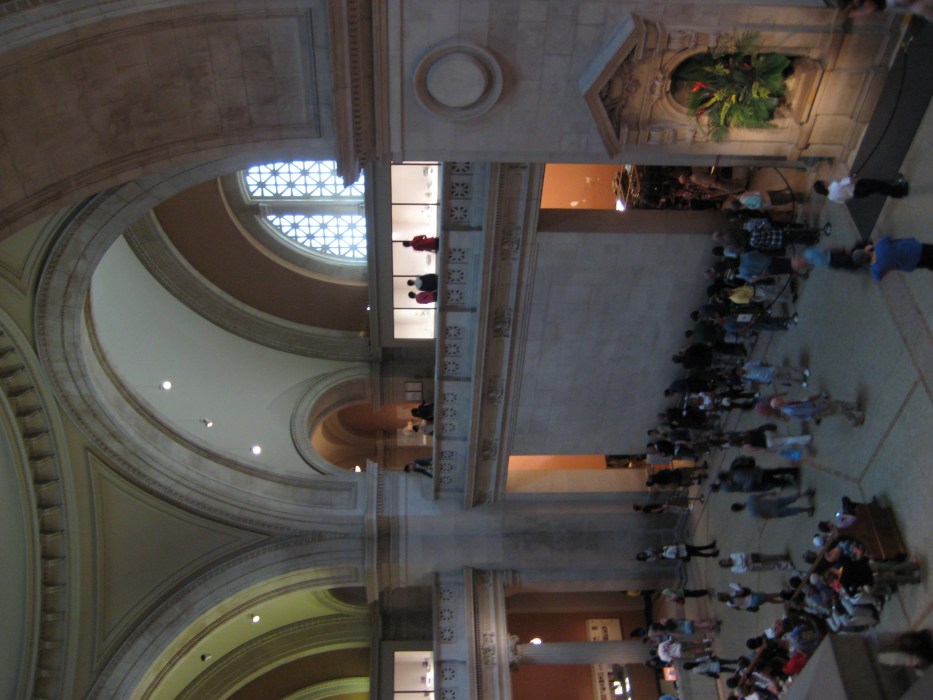
Museum and gallery hopping is a leisure activity that involves visiting multiple museums and art galleries within a specific timeframe, often within a single day or across a short period. It’s a curated experience, differing from simply visiting a single institution; it’s about actively seeking out and experiencing a diverse range of artistic and cultural offerings. This pursuit appeals to a wide spectrum of individuals, driven by varying motivations and interests.The appeal of museum and gallery hopping transcends age and background.
For art enthusiasts, it’s an opportunity to immerse themselves in a rich tapestry of styles, periods, and artistic expressions. Students might engage in this activity for research purposes, gaining a broader understanding of artistic movements or historical periods. Tourists often incorporate it into their travel itineraries, experiencing a city’s cultural landscape in a concentrated manner. Families may find it an engaging and educational activity, fostering a shared appreciation for art and history.
Even those with a less pronounced interest in art might find the activity appealing for its social aspect, providing a unique backdrop for socializing and conversation.
The Appeal of Museum and Gallery Hopping Across Demographics
The activity caters to diverse interests. Art historians might meticulously plan visits to view specific pieces or collections, while casual visitors might focus on enjoying the overall atmosphere and learning something new. For instance, a group of photography students might dedicate a day to visiting several galleries showcasing contemporary photography, while a family with young children might prioritize museums with interactive exhibits and kid-friendly spaces.
The flexibility inherent in museum and gallery hopping allows for personalized experiences tailored to individual preferences and goals. A retiree, for example, might choose a leisurely pace, spending several hours at a single museum, while a busy professional might opt for a more rapid-fire tour of several smaller galleries.
Planning a Successful Museum and Gallery Hopping Experience
Effective planning is crucial for maximizing enjoyment. This involves selecting museums and galleries based on personal interests and geographical proximity. Consider the opening hours and admission fees of each location, and factor in travel time between venues. Prioritizing locations based on their relevance to a specific theme or interest can create a more cohesive and rewarding experience.
For example, a focus on Impressionist art might lead to a day spent exploring galleries specializing in that movement. Using online resources to research exhibitions and plan routes in advance is highly recommended, ensuring a smooth and efficient itinerary. Pre-booking tickets can save time and avoid potential disappointment, especially during peak seasons. Finally, allowing for flexibility is essential; unexpected delays or unforeseen attractions might require adjustments to the initial plan.
A well-planned itinerary provides structure while leaving room for spontaneous exploration.
Types of Museums and Galleries for Hopping
Museum and gallery hopping offers a diverse range of experiences, depending on the type of institution visited. Understanding the different categories allows for a more curated and fulfilling experience, tailoring your itinerary to your specific interests. The variety ensures that there’s something for everyone, from art enthusiasts to history buffs and science lovers.The experience offered by each museum type varies significantly.
While an art museum might focus on visual stimulation and aesthetic appreciation, a history museum emphasizes narrative and the understanding of past events. A science museum, conversely, promotes hands-on learning and interactive exploration of scientific principles. These differences shape the pace, engagement style, and overall takeaway of a visit.
Categorization of Museum and Gallery Types, Museum and gallery hopping
Museums and galleries can be broadly categorized into several types, each offering a unique perspective and experience. These categories are not mutually exclusive; many institutions blend elements from multiple types. A well-planned hopping itinerary can strategically incorporate diverse categories to provide a richer overall experience.
- Art Museums and Galleries: These institutions house collections of paintings, sculptures, drawings, photographs, and other forms of artistic expression. Experiences range from admiring classical masterpieces to exploring contemporary installations. Examples include the Louvre Museum (Paris) showcasing classical art and the Museum of Modern Art (New York) featuring modern and contemporary works.
- History Museums: These museums preserve and interpret artifacts, documents, and other materials related to the past. They offer insights into different historical periods, cultures, and events. The British Museum (London), for example, houses a vast collection spanning various civilizations, while smaller local history museums might focus on a specific region or era.
- Science Museums and Centers: These institutions focus on scientific principles and technological advancements through interactive exhibits and demonstrations. They often emphasize hands-on learning and engagement, particularly appealing to families and children. The California Academy of Sciences (San Francisco) is a prime example, combining an aquarium, planetarium, and natural history museum.
- Natural History Museums: These museums focus on the natural world, including animals, plants, minerals, and fossils. They often incorporate elements of science education and environmental awareness. The American Museum of Natural History (New York) is a well-known example, featuring extensive dinosaur exhibits and biodiversity collections.
- Specialized Museums: This broad category encompasses museums dedicated to specific topics, such as aviation, maritime history, automobiles, or particular artistic movements. The National Air and Space Museum (Washington, D.C.) and the Petersen Automotive Museum (Los Angeles) are notable examples of specialized museums offering focused and in-depth experiences.
Sample Museum and Gallery Hopping Itinerary: A Blend of Experiences
This itinerary focuses on a diverse range of museum types within a single city (adjust to your chosen location). The aim is to illustrate how a balanced approach can enhance the overall hopping experience.
Day 1: Art and History
Morning: Begin at the City Art Museum, focusing on Impressionist paintings and sculptures. The afternoon could be spent at the City History Museum, exploring the city’s development through artifacts and exhibits. This combination provides a contrast between aesthetic appreciation and historical context.
Day 2: Science and Nature
Morning: Immerse yourself in the interactive exhibits at the Science Center. The afternoon could be dedicated to the Natural History Museum, exploring diverse ecosystems and learning about the planet’s biodiversity. This pairing blends interactive learning with exploration of the natural world.
Day 3: Specialized Focus
This day could be tailored to personal interests. For example, a visit to a local art gallery specializing in contemporary photography followed by an exploration of a maritime museum would create a unique and focused experience.
Exclusive Travel Experiences
Museum and gallery hopping can be elevated beyond the typical tourist experience. Exclusive travel experiences offer a deeper immersion into art, culture, and history, providing access and opportunities unavailable to the average visitor. These experiences often cater to discerning travelers seeking unique and personalized journeys, focusing on quality over quantity.Exclusive travel experiences go beyond simply visiting museums and galleries; they involve curated access and personalized interactions.
Examples of Exclusive Travel Experiences
Several options exist for elevating a museum and gallery hopping trip into a truly exclusive experience. These might involve private after-hours tours of renowned institutions, allowing for unhurried exploration and intimate engagement with the artwork. Alternatively, a private curator-led tour can provide in-depth insights and interpretations beyond the typical visitor experience. Access to private collections, not typically open to the public, presents another layer of exclusivity.
Imagine a private viewing of a renowned collector’s trove of Impressionist paintings, followed by a discussion with the collector themselves. Finally, a bespoke itinerary crafted around a specific artistic theme, incorporating visits to lesser-known galleries and studios alongside established institutions, could create a truly unique and personalized journey.
Unique Aspects and Appeal of Exclusive Travel Experiences
The allure of exclusive travel experiences lies in the unparalleled access and personalized service they provide. The ability to bypass crowds, engage with experts in a private setting, and experience art and culture in a more intimate and meaningful way are key draws. These experiences often involve bespoke itineraries tailored to individual interests and preferences, offering a level of customization unavailable through standard tourist packages.
The resulting experience is more immersive and memorable, fostering a deeper appreciation for the art and culture being explored. The sense of exclusivity and privilege further enhances the overall appeal.
Planning and Logistical Considerations for Exclusive Travel Experiences
Planning an exclusive travel experience requires careful consideration of several factors. Firstly, identifying the desired level of exclusivity and the specific interests of the traveler is crucial. This informs the selection of museums, galleries, and other experiences to be included in the itinerary. Next, securing access to private collections or after-hours tours often requires advance booking and potentially significant lead times.
Furthermore, coordinating logistics, including transportation, accommodation, and any necessary permits or permissions, is essential. Finally, budgeting for the higher costs associated with exclusive services, such as private guides, specialized transportation, and access fees, is a critical aspect of the planning process. A well-planned itinerary will account for travel time between locations, allowing ample time for exploration and reflection.
Premium Travel Guides
Premium travel guides stand apart from their standard counterparts through a combination of factors, primarily focusing on enhanced quality, exclusive content, and a more refined user experience. They cater to discerning travelers seeking in-depth information, curated experiences, and a higher level of service than what’s typically offered in mass-market guides.Premium travel guides prioritize detailed, meticulously researched information, often incorporating insider knowledge and expert recommendations.
They frequently feature high-quality photography and design, enhancing the overall aesthetic appeal and creating a more immersive reading experience. The focus shifts from simply listing attractions to providing context, background, and insightful commentary, making them valuable resources for both planning and enriching the travel experience itself.
Characteristics Differentiating Premium and Standard Travel Guides
Premium travel guides distinguish themselves through several key characteristics. They offer more comprehensive coverage of destinations, including lesser-known attractions and unique experiences. The writing style is typically more sophisticated and engaging, employing evocative language to paint a vivid picture of the destination. Furthermore, premium guides often include maps, detailed itineraries, and practical advice on navigating local customs and etiquette, exceeding the scope of basic travel guides.
The inclusion of high-quality maps, detailed illustrations, and perhaps even curated lists of recommended restaurants or hotels further enhances their value proposition. Finally, premium guides are often produced with higher-quality materials, reflecting a commitment to lasting value and superior presentation.
Comparison of Premium Travel Guide Formats and Styles
Premium travel guides are available in various formats, each offering unique advantages. Physical books provide a tangible and immersive experience, appealing to those who appreciate the tactile nature of reading. The high-quality printing, durable binding, and often larger format contribute to a sense of luxury and lasting value. Digital platforms, on the other hand, offer convenience and accessibility. They can be updated more easily to reflect changes in destinations, offering greater flexibility and potentially incorporating interactive features like maps, videos, and virtual tours.
Some premium guides even combine both formats, offering a digital version alongside a physical book, catering to the preferences of a broader audience. Hybrid approaches often leverage the strengths of both: the detailed, high-quality presentation of the physical book coupled with the updatability and convenience of a digital version.
Sample Layout of a Premium Travel Guide Page: The Alhambra, Granada
This page features a detailed description of the Alhambra, a key attraction in Granada, Spain. The layout would begin with a stunning, full-page panoramic illustration (described below, not shown as an image). The illustration would depict the Alhambra Palace at sunset, with the Sierra Nevada mountains forming a dramatic backdrop. The reddish hues of the setting sun would bathe the intricate architecture in warm light, highlighting the intricate details of the palace walls and towers.
The foreground would showcase meticulously manicured gardens, adding to the overall sense of grandeur and tranquility.Following the illustration, a concise introductory paragraph would provide a historical overview of the Alhambra, highlighting its significance as a Moorish palace and fortress. This would be followed by a section detailing the palace’s key architectural features, including the Nasrid Palaces, the Generalife gardens, and the Alcazaba fortress.
Each feature would be described in detail, highlighting its unique design elements, historical significance, and artistic merit. For instance, the description of the Court of the Lions would focus on the intricate water features, the delicate carvings, and the symbolic representation of the twelve lions supporting the central fountain. The text would evoke the palace’s atmosphere, highlighting the sense of history, elegance, and tranquility that permeates the site.
The page would conclude with practical information, including opening hours, ticket purchasing details, and recommendations for maximizing the visitor experience. A small inset map would pinpoint the location of the Alhambra within Granada, along with nearby attractions and transportation options.
Luxury Train Journeys
Luxury train journeys offer a unique blend of opulent comfort and breathtaking scenery, providing an unparalleled travel experience. Unlike other modes of transport, they emphasize leisurely exploration and immersive cultural immersion, transforming travel into a destination in itself. The focus is not simply on reaching a point B from point A, but on savoring the journey itself.Luxury train travel stands apart from other high-end transportation options, such as private jets or luxury automobiles, by its inherent romance and slower pace.
While private jets prioritize speed and directness, and luxury cars offer personalized comfort within a defined route, luxury trains combine the comfort and personalized service of both with the added allure of ever-changing landscapes viewed from a comfortable, moving observation point. The social aspect is also significant; unlike the solitary experience of a private jet, luxury train journeys often foster a sense of community among fellow travelers.
Comparison of Luxury Train Journeys with Other High-End Transportation
Luxury train journeys offer a distinct experience compared to private jets and high-end automobiles. Private jets prioritize speed and exclusivity, focusing on reaching destinations quickly and efficiently. Luxury cars provide personalized comfort and control over the route, but are limited by road networks and travel times. In contrast, luxury trains provide a unique blend of comfort, scenic views, and social interaction, transforming the journey itself into a memorable experience.
The curated itineraries, onboard amenities, and the opportunity to connect with fellow travelers create a sense of community and shared adventure absent in other modes of high-end transport.
A Hypothetical Luxury Train Journey: The Trans-Siberian Express Reimagined
This itinerary envisions a reimagined Trans-Siberian Express experience, focusing on luxury and bespoke service.The journey would commence in Moscow, Russia. Passengers would board a meticulously restored train featuring opulent suites with private bathrooms, butler service, and panoramic windows. The onboard dining car would offer Michelin-starred cuisine featuring regional specialties from each region traversed. Day 1-3: Moscow – Exploring the Kremlin, St.
Basil’s Cathedral, and the Tretyakov Gallery. Onboard, guests enjoy a welcome dinner and a performance by a traditional Russian folk ensemble.Day 4-6: Kazan – Immersive exploration of Kazan’s unique blend of Tatar and Russian cultures. A guided tour of the Kazan Kremlin, a UNESCO World Heritage site, is followed by a traditional Tatar cooking class.Day 7-9: Yekaterinburg – A visit to the Church on the Blood, built on the site of the execution of the Romanov family, and exploration of the city’s rich history.
An onboard lecture on the history of the Romanov dynasty would be presented by a leading historian.Day 10-12: Novosibirsk – Exploring Siberia’s largest city, with visits to the Novosibirsk Opera and Ballet Theatre and the Novosibirsk State Art Museum. A Siberian wildlife viewing excursion would be offered.Day 13-15: Irkutsk – Visiting Lake Baikal, the world’s deepest lake, with opportunities for boat excursions and hiking.
A traditional Buryat cultural performance would be held onboard.Day 16-18: Vladivostok – Arrival in Vladivostok, a vibrant port city on the Pacific coast. Guests would enjoy a farewell dinner featuring Pacific Rim cuisine before disembarking.Throughout the journey, guests would enjoy access to a spa, a library, and a dedicated concierge service. Expert guides would provide insightful commentary on the history, culture, and geography of the regions traversed.
The train itself would be a testament to elegance and comfort, equipped with state-of-the-art technology while maintaining a classic aesthetic. The entire experience would be tailored to provide an unforgettable and luxurious journey across one of the world’s most iconic rail routes.
Ultimately, museum and gallery hopping provides an unparalleled opportunity for personal enrichment and exploration. Whether you’re meticulously planning a high-end cultural tour or casually exploring local galleries, the experience offers a chance to connect with history, art, and diverse perspectives. By thoughtfully selecting venues and optimizing your time, you can create a truly memorable and rewarding cultural adventure.
Essential Questionnaire
How much time should I allocate for each museum/gallery?
This depends on the size and scope of the institution, and your interests. Allow at least 1-2 hours for smaller venues and 3-4 hours or more for larger ones. Prioritize specific exhibits to manage your time effectively.
What should I wear for museum and gallery hopping?
Comfortable shoes are essential! Opt for clothing that is both comfortable and appropriate for the setting; avoid anything overly revealing or disruptive. Layers are a good idea, as temperatures can vary within buildings.
Are there any etiquette guidelines to follow?
Generally, maintain a respectful distance from artwork, avoid touching exhibits, and keep your voice low. Photography policies vary; check signage before taking pictures or videos.
How can I save money on museum and gallery hopping?
Look for discounts or combination tickets. Many museums offer free admission days or evenings. Consider purchasing a city pass if visiting multiple attractions in one city.